
Antique Furniture Value by Age: A Decade-by-Decade Pricing Guide for 2026
Fall 2026 is shaping up to be a landmark season for furniture buyers. Here’s why: every piece made in 1926 officially crosses the 100-year threshold this year, pushing an entire wave of early 20th-century furniture into legal “antique” territory for the first time. Auction houses are already repricing their catalogs, and estate sale companies are quietly re-tagging inventory. If you don’t understand how antique furniture value by age actually works, you’re going to overpay for some pieces and walk right past underpriced gems.
The tricky part? Age alone doesn’t set value — but it does set the floor, the ceiling, and the category a piece competes in. A 250-year-old farmhouse table and a 250-year-old Chippendale highboy live in completely different price universes. This guide breaks down what each era’s furniture actually sells for right now, so you can price a piece in your head before you ever check the tag.
Why Age Matters (But Not the Way You Think)
Most beginners assume older automatically means more expensive. The market disagrees. Age influences value in three specific ways:
Scarcity curve. Furniture survival rates drop roughly in half every 50 years. Pre-1800 pieces in original condition are genuinely rare — maybe 2-5% of what was made still exists. By contrast, furniture from 1900-1926 is abundant, which keeps prices soft even though it’s technically antique now.
Craftsmanship era. Hand-cut joinery, hand-planed surfaces, and old-growth timber largely ended around 1840-1860 when industrial production took over. That craftsmanship premium is baked into pre-Civil War pricing.
Style cycles. This is the wild card. Victorian furniture was nearly worthless in 2010 and has climbed 30-40% since 2023 as younger collectors embrace maximalism. Age stayed constant — taste moved the price.
So when you’re assessing antique furniture value by age, you’re really asking: how rare is this era, how well was it built, and is the style currently in demand?
Pre-1800 Furniture: The Museum Tier
Genuine 18th-century and earlier furniture rarely shows up at estate sales — but it does happen, especially in older East Coast homes and inherited collections.
Current market ranges:
- American Queen Anne or Chippendale case pieces (highboys, secretaries): $8,000-$75,000+ depending on maker and condition
- Period Windsor chairs: $800-$6,000 each
- Early tavern tables and gate-leg tables: $1,500-$12,000
- English Georgian chests of drawers: $2,500-$15,000
The catch with this tier: restoration history matters enormously. A refinished 1780 chest can lose 50-70% of its value versus one with original surface. If you find a piece this old at an estate sale priced under $500, it’s either a later reproduction, heavily altered, or the deal of your year. Check secondary wood, hardware patina, and saw marks before celebrating.
1800-1860: The Hand-Crafted Sweet Spot
Federal, Empire, and early Victorian pieces from this window offer the best value-per-century ratio in today’s market. You get hand craftsmanship without the museum-tier pricing.
What to expect:
- Empire chests of drawers (mahogany veneer, 1815-1840): $600-$2,500
- Federal sideboards: $1,200-$5,000
- Drop-leaf and Pembroke tables: $400-$1,800
- Early country pieces (pine, painted): $300-$1,500
Here’s a 2026-specific trend: country and primitive pieces from this era are outperforming formal styles at regional auctions, sometimes by 20-30%. Buyers want pieces with visible wear and story, not pristine parlor furniture. If you’re hunting estate sales this fall, that worn 1830s pine cupboard in the basement is worth more attention than the shiny mahogany in the dining room.
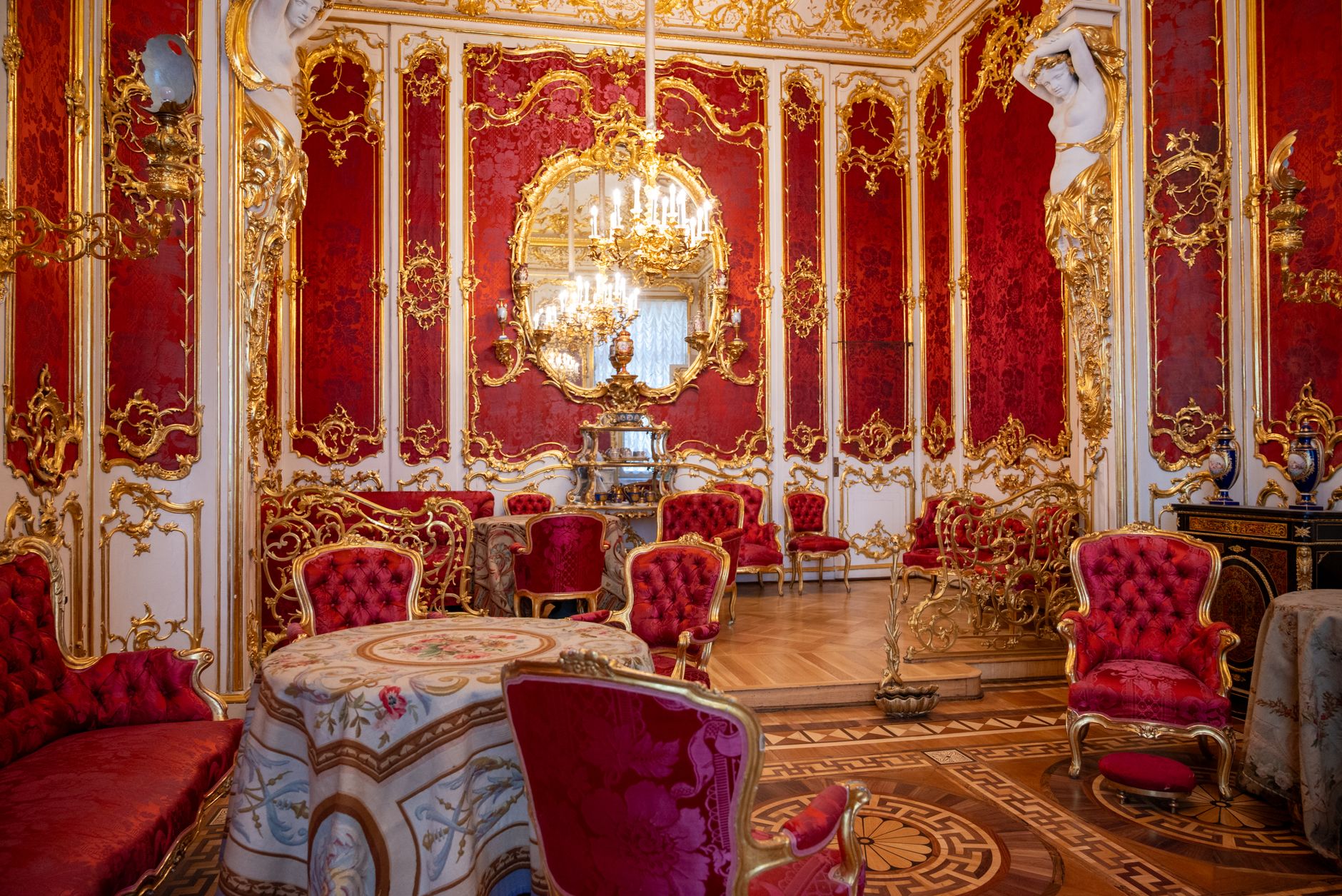
1860-1900: The Victorian Value Play
This is where antique furniture value by age gets counterintuitive. These pieces are 125-165 years old, yet many sell for less than mid-century modern furniture a fraction of their age.
Current ranges:
- Eastlake walnut dressers and bedsteads: $300-$900
- Victorian marble-top tables: $250-$800
- Renaissance Revival parlor sets: $800-$3,500
- Oak press-back dining chairs: $75-$250 each
Why so affordable? Massive production volumes. Factories in Grand Rapids and Cincinnati turned out Victorian furniture by the trainload, and plenty survived. But the tide is turning — searches for “Victorian antique furniture” are up roughly 45% since 2023, and designers are specifying ornate pieces for maximalist interiors. Buying quality Victorian now is arguably the smartest age-based play in the market.
1900-1926: The Newest Antiques
This is the category everyone’s watching in 2026. Arts and Crafts, Mission, early Colonial Revival, and Art Nouveau pieces are all fully antique now, and the market is still deciding how to price that.
Where prices sit:
- Mission oak pieces (Stickley, Limbert, unsigned): $400-$8,000 depending on maker
- Arts and Crafts library tables: $300-$1,500
- Early 1900s oak china cabinets: $350-$1,200
- 1920s walnut bedroom suites: $500-$2,000 for full sets
The opportunity here is mislabeling. Estate sale companies often price 1910s-1920s furniture as “old used furniture” rather than antiques, because it doesn’t look antique to untrained eyes. That solid quartersawn oak dresser tagged at $150? It’s a genuine antique with hand-fitted drawers. Buy it before the repricing catches up.
One caution: 1920s mass-produced “Grand Rapids style” furniture with veneer over secondary wood has far weaker value than solid Mission-era pieces. Age is equal — construction is not.
How to Estimate Age On the Spot
You don’t need to be an appraiser to bracket a piece within 50 years. Run this quick checklist at any sale:
- Drawer construction — Hand-cut dovetails suggest pre-1860; machine-cut dovetails point to 1860-1920; perfect uniform dovetails with rounded pins suggest post-1920.
- Screws — Hand-forged screws with off-center slots: pre-1840. Machine screws with centered slots: post-1840. Phillips head: post-1930s, likely a repair.
- Saw marks — Straight saw marks on backboards mean pre-1840s water or steam power; circular saw marks mean post-1840.
- Wood thickness — Hand-planed boards vary slightly in thickness; perfectly uniform boards suggest machine planing, post-1860.
- Hardware style — Wooden knobs skew early country; pressed glass and brass pulls suggest 1860-1900; bakelite or chrome means 1920s+.
Cross-reference two or three of these signals and you’ll date most furniture within a generation — close enough to know whether the asking price makes sense.
Putting It All Together
Understanding antique furniture value by age isn’t about memorizing price charts — it’s about knowing what each era offers and what the market currently rewards. Right now, in fall 2026, the smart money is on three plays: pre-1860 country pieces with original surfaces, quality Victorian furniture riding the maximalist revival, and newly-antique 1900-1926 pieces still priced as used furniture.
Before your next estate sale or auction, save the price ranges above to your phone. When you spot a piece, date it with the five-point checklist, match it to its era’s range, and adjust up or down for condition and maker. That 60-second process will keep you from overpaying — and help you recognize the underpriced 1820s sideboard everyone else walked past.
Happy hunting this season. The century-mark pieces won’t stay cheap for long.