
Antique Hunting Routes Midwest Small Towns: 5 Scenic Road Trips for Serious Collectors
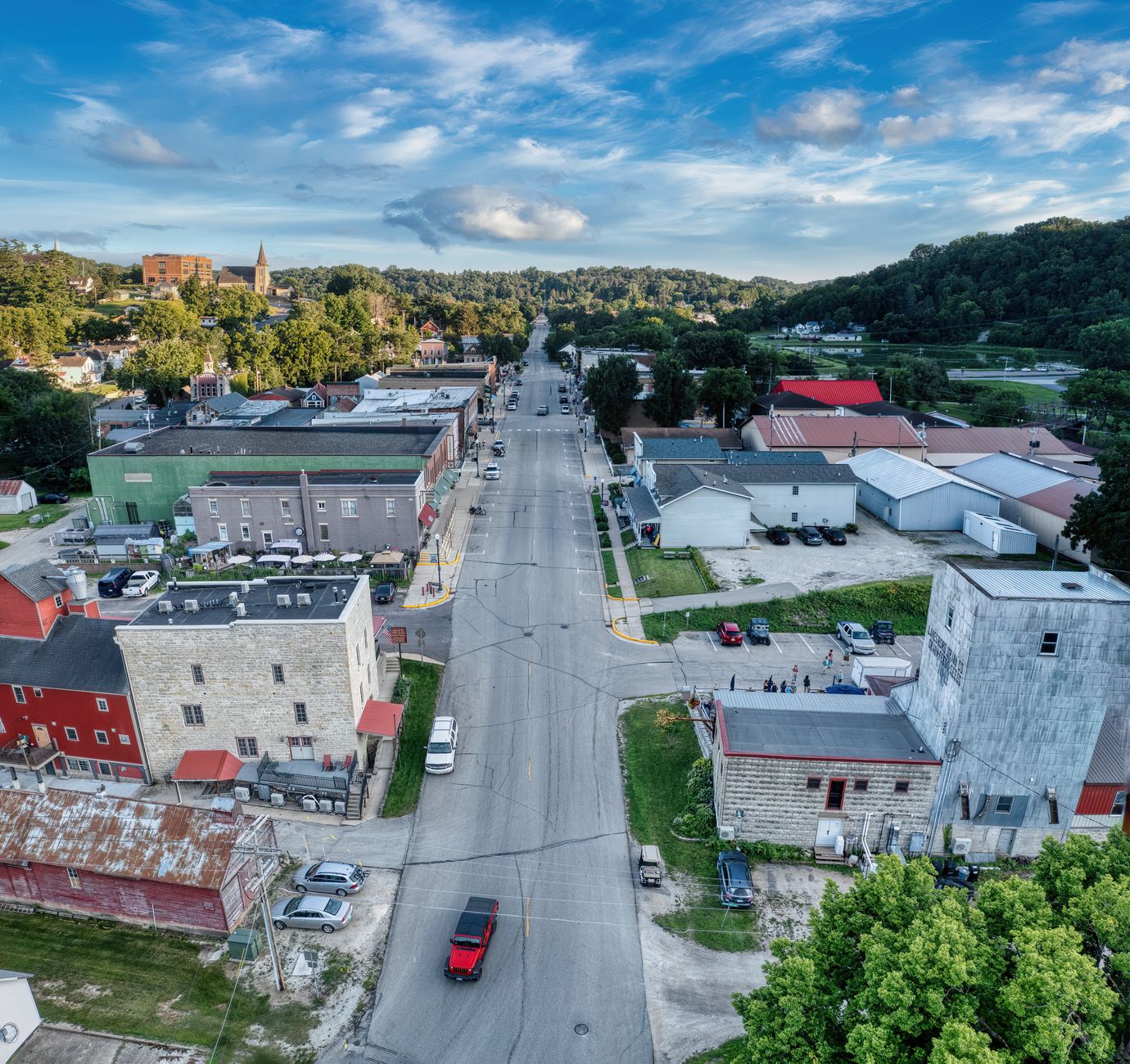
The fall antiquing season is in full swing, and something interesting is happening across the heartland: while big-city antique shows report declining foot traffic, small-town shops and rural multi-dealer malls are seeing a surge of collectors willing to drive for inventory that hasn’t been picked over. If you’ve been searching for the best antique hunting routes Midwest small towns have to offer, you’re tapping into one of 2026’s smartest collecting strategies.
The logic is simple. Lower overhead in towns of 2,000 to 15,000 people means lower prices. Estate turnover in agricultural communities keeps fresh inventory flowing. And unlike metro areas where resellers hit every shop by 9 a.m., these routes still reward the patient browser. Below are five proven loops, each designed as a one-to-three-day trip, with the towns, shop types, and timing strategies that make them worth the gas money.
Why Small-Town Routes Beat Big-City Hunting in 2026
Before we map the routes, understand the math. A 2025 survey by the Antique Dealers Association found that comparable items — say, a walnut Eastlake side table or a McCoy pottery planter — averaged 30 to 45 percent less in towns under 10,000 residents versus urban antique districts. That gap has widened as city rents push dealers toward “curated” (read: expensive) inventory.
Small towns also concentrate inventory in walkable clusters. Many Midwest courthouse squares have three to six antique shops within a single block, plus a seasonal flea market on the outskirts. You park once and hunt for hours. Compare that to driving 25 minutes between shops in a metro sprawl.
The sweet spots share three traits: a historic downtown that avoided demolition, proximity to farmland (estate pipeline), and at least one anchor multi-dealer mall that draws other shops to the area.
Route 1: The Southern Illinois River-to-River Loop
Start in Lebanon, Illinois (population ~4,400), where the brick main street holds several shops strong in primitives and farmhouse furniture. Head south to Waterloo, then swing east to Sparta and Chester on the Mississippi bluffs — Chester’s riverside shops are known for advertising signs and stoneware pulled from old farmsteads.
Distance: Roughly 120 miles round trip from St. Louis Best timing: October, when the Pope County deer festival crowds haven’t yet hit and dealers are restocking after summer Watch for: Southern Illinois stoneware crocks, seed company advertising, and walnut Victorian furniture priced well under St. Louis retail
Budget tip: several shops in this corridor still operate on the “make an offer” model. Bring cash and expect 10 to 15 percent flexibility, especially on items over $100.
Route 2: The Wisconsin Driftless Antiques Trail
The Driftless Area — the hilly, glacier-free corner of southwest Wisconsin — is arguably the densest antique hunting territory in the upper Midwest. Anchor your trip in Mineral Point, a Cornish mining town turned arts colony where shops specialize in early pine furniture and Welsh pottery. From there, hit Dodgeville, Mount Horeb (troll capital and underrated for Scandinavian antiques), and Spring Green.
Distance: About 90 miles end to end; easily done in a long day, better as a weekend Best timing: Late September through mid-October — fall color traffic is real, but so are the harvest-season estate dispersals Watch for: Norwegian rosemaling pieces, early dairy primitives (butter molds, cheese boxes), and Mission oak furniture from Milwaukee estates
One quirk of this route: many shops here are dealer-collectors who price to move duplicates from their own barns. Ask what’s in the back room. Seriously.
Route 3: The Ohio Amish Country Corridor
Forget the tourist-trap version of Amish country. The antique hunting routes Midwest small towns along US-62 and State Route 39 offer are legitimately excellent if you know where to stop. Start in Berlin, Ohio, skip the candle shops, and focus on the multi-dealer malls on the town’s edges. Then work through Millersburg (the courthouse square has four solid shops), Sugarcreek, and Winesburg.
Distance: 60 to 80 miles of dense hunting Best timing: Weekdays in November — weekend tourist traffic triples prices at some shops, but November weekdays are dead quiet and dealers negotiate Watch for: Quilts (obviously, but check dates carefully — many are 1970s revival pieces), Depression-era kitchenware, and oak dry sinks
A word of caution: this corridor has a reproduction problem with “Amish-made” furniture sold alongside genuine antiques. Check for hand-cut dovetails, square nails, and honest wear patterns before paying antique prices for 2015 craftsmanship.
Route 4: The Iowa Amana Colonies and Beyond
The seven Amana Colonies villages along Iowa County’s back roads are a known quantity, but most visitors stop at the woolen mill and leave. The real play is combining the colonies with Marengo, Williamsburg, and Victor — three small towns within 20 minutes that each support two or more genuine antique shops, not gift boutiques.
Distance: 50-mile loop, 30 minutes west of Iowa City Best timing: First two weekends of October for the outdoor markets, or deep winter (January–February) when dealers slash prices to move inventory Watch for: German immigrant trunks, Amana-made furniture (the colonies’ own workshops produced distinctive pieces), and Iowa farm primitives
Winter hunting on this route is criminally underrated. I’ve seen January prices run 20 percent below October tags on identical inventory.
Route 5: The Northern Indiana Lakes Circuit
Northern Indiana’s lake country — think Shipshewana, Goshen, Middlebury, and Nappanee — combines a famous flea market with a string of small-town shops most tourists never find. The Shipshewana Antique Market anchors the route, but the real value is in Goshen’s downtown (five shops within two blocks) and Nappanee’s restored downtown district.
Distance: 75-mile loop, about 2.5 hours from Chicago Best timing: Tuesday and Wednesday, when the flea market runs and town shops are open but weekend crowds are absent Watch for: Hoosier cabinets (you’re in the heartland of their manufacture), copper and brass kitchenware, and mid-century pieces from Chicago lake-house estates
Planning Tips That Apply to Every Route
A few hard-won lessons regardless of which loop you drive:
- Call ahead. Small-town shops keep irregular hours, and “open by chance or appointment” is a real thing. A two-minute call saves a wasted 40-mile detour.
- Bring a tape measure, blankets, and ratchet straps. The best small-town finds are often furniture, and most shops don’t deliver.
- Carry cash in small bills. Many rural dealers offer a cash discount of 5 to 10 percent, and some don’t take cards at all.
- Photograph booth numbers. Multi-dealer malls in small towns rarely have online inventory. Snap the booth number and item tag so you can call back if you regret passing.
- Eat where the locals eat. Café owners and waitresses in towns of 3,000 know which estates are being settled and which dealers just bought a barn full. Tip well and ask questions.
Conclusion: Hit the Road Before the Secret Gets Out
The best antique hunting routes Midwest small towns offer won’t stay under the radar forever. As urban inventory thins and online prices climb, more collectors are discovering what rural dealers have known for decades: the heartland’s small towns are where the good stuff still surfaces at fair prices. Pick one of these five loops, time it for a weekday in October or November, and bring an empty vehicle. Whether you’re furnishing a farmhouse, building a resale inventory, or chasing one specific category, these routes deliver the thrill that big-city hunting lost years ago — the genuine possibility that the next shop holds a $40 treasure worth ten times that. Start planning your route now, and we’ll see you out there.