
Antique Hunting Storage Solutions Small Spaces: The Urban Collector's 2026 Survival Guide
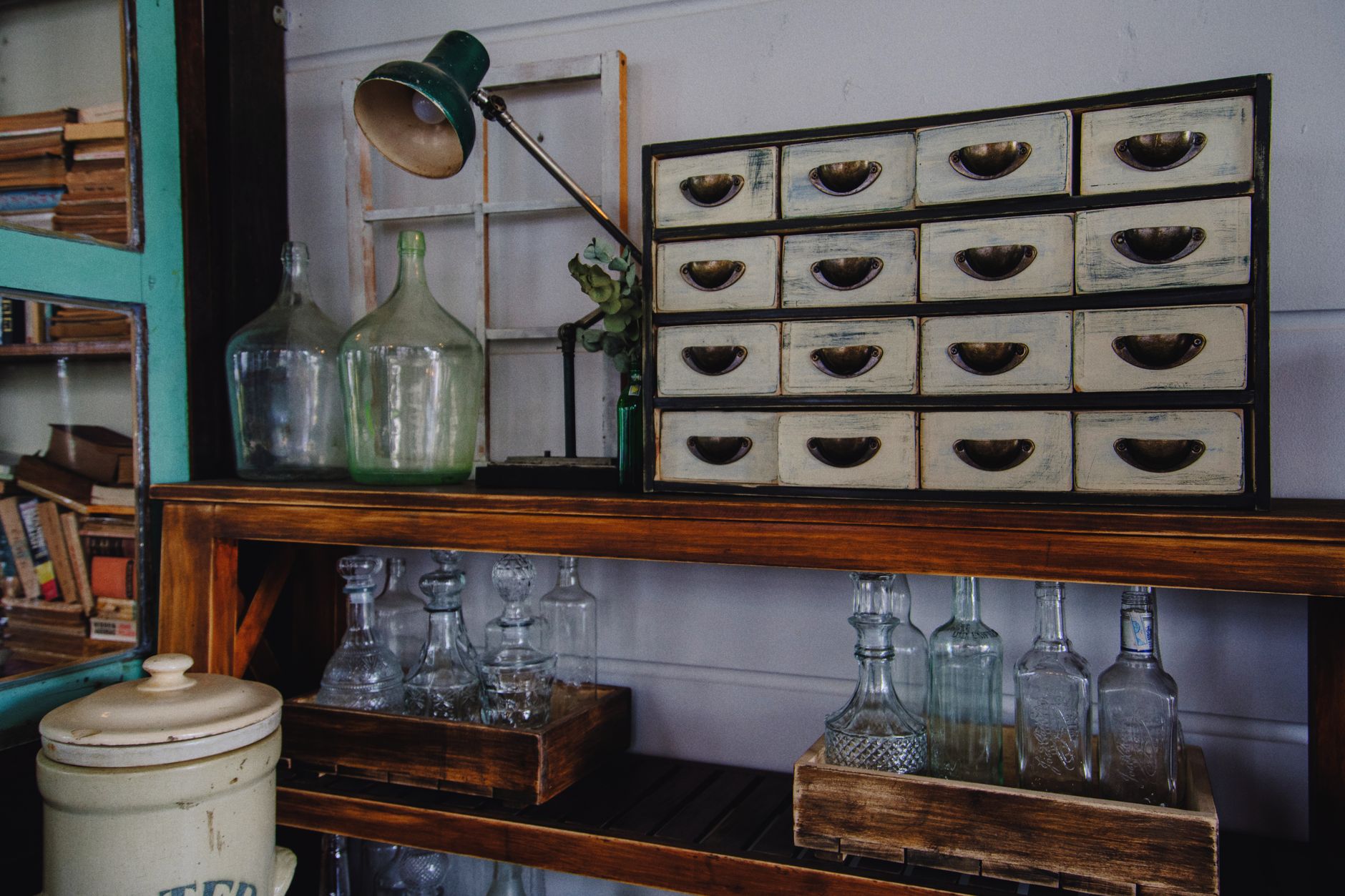
The 2026 antique market is witnessing something unprecedented: a 34% surge in millennial and Gen Z collectors buying exclusively from apartments under 800 square feet. With estate sale attendance hitting post-pandemic highs and the “curated maximalism” aesthetic dominating TikTok’s #antiquehaul feeds, the biggest challenge isn’t finding treasures anymore—it’s keeping them intact in cramped quarters. If you’re hunting in Brooklyn studios, London flats, or Tokyo micro-apartments, you need antique hunting storage solutions small spaces collectors can actually live with, not theoretical systems that require a Victorian parlor.
Why Traditional Storage Advice Fails Modern Collectors
Most antique storage guides assume you have a basement, attic, or dedicated “collection room.” They’re written by dealers with 3,000-square-foot barns or retirees who’ve downsized into larger antique-filled homes. For the rest of us, that advice is worse than useless—it’s actively damaging.
Here’s what actually happens in small spaces: you stack delicate items “temporarily” in closets, subjecting them to temperature swings and crushing weight. You display fragile pieces on narrow shelves where daily life bumps them. You stop buying pieces you love because there’s nowhere to put them, then regret the missed opportunity when prices jump 40% six months later.
The 2026 collector’s reality demands vertical thinking, climate consciousness, and furniture that earns its footprint by working double-duty.
Vertical Systems That Protect Instead of Just Display
Wall-mounted solutions have evolved dramatically beyond basic floating shelves. The key innovation for 2026 is modular rail systems originally designed for museum back-of-house storage—now scaled for residential use.
Track-based hanging systems ( brands like Gallery System and STAS dominate the $200-400 range) let you suspend framed art, mirrors, and even lightweight textiles from ceiling-mounted rails. Unlike nails, they distribute weight across studs and allow instant repositioning. A 12-foot wall can hold 15-20 pieces that would otherwise consume floor space or lean dangerously against walls.
For three-dimensional objects, consider perforated steel wall panels (commonly called “trophy panels” or retail gridwall). Powder-coated versions resist rust, and specialized hooks cradle everything from ceramic pitchers to vintage handbags. The critical detail: mount panels on ½-inch spacers to create airflow behind stored items, preventing moisture trapping that causes mold on paper labels and fabric deterioration.
Ceiling-mounted storage deserves more attention than it receives. Industrial-style pot racks, redesigned with felt-lined hooks and adjustable height mechanisms, safely suspend wicker baskets, lanterns, and metal advertising signs. Install with toggle bolts rated for 3x your expected load—antique weights are deceptive; that “small” cast iron doorstop is 8 pounds.
Climate Control in 400 Square Feet: The Humidity War
Small spaces amplify environmental problems. Your shower steam reaches every corner. Cooking heat lingers. Windows you can’t afford to replace leak seasonal moisture. Antique hunting storage solutions small spaces desperately need must address this, or you’re slowly destroying what you collected.
Desiccant systems beat electric dehumidifiers for most collectors. Eva-Dry renewable units (about $25 each, silica gel-based) handle 333 cubic feet and recharge by plugging into a wall outlet overnight. Position three strategically: one in your primary storage closet, one near display areas, one in any bathroom-adjacent space. Check monthly with a $15 digital hygrometer—target 45-55% relative humidity.
The refrigerator trick for paper items sounds bizarre but works: sealed archival boxes with silica gel packets, placed in your refrigerator’s crisper drawer (set to low humidity), create an impromptu cool storage environment for photographs, ephemera, and documents you can’t display. Temperature stability matters more than the slight chill. Remove items 24 hours before examination to prevent condensation.
For displayed textiles and clothing, acid-free tissue stuffing isn’t enough anymore. 2026’s best practice adds activated carbon fabric liners (available from conservation suppliers like University Products) inside garment bags. These absorb both moisture and the volatile organic compounds that off-gas from vintage plastics, synthetic dyes, and aged adhesives—compounds that accelerate fabric degradation in confined spaces.
The Multi-Functional Furniture Arsenal
Every piece in a small collecting space must justify its existence. These four categories deliver maximum protection per square foot:
Lift-top storage ottomans with modifications protect flat items. Standard versions crush contents when sat upon. Add a ½-inch plywood false floor raised on 2x2 supports, creating a 4-inch deep compartment for unframed prints, maps, and textiles. The air gap prevents compression damage while maintaining seating function. Look for models with interior dimensions at least 18x18 inches—anything smaller is impractical for standard document sizes.
Glass-front barrister bookcases remain unmatched for small-space collectors. The stacking design (buy one unit, add another vertically as budget allows) and individual lift-up doors protect contents from dust while allowing full visibility. 2026’s budget hack: Facebook Marketplace and estate sales regularly yield 1970s Globe-Wernicke reproductions at $80-150 per stack—verify the door glass is actual tempered safety glass, not brittle vintage plate glass.
Under-bed systems require elevation. Standard 7-inch bed frames waste 50+ cubic feet. Replace with 13-inch clearance frames (Zinus platform beds run $150-200) and invest in museum-grade under-bed boxes—not the thin plastic retail versions. Hollinger Metal Edge makes acid-free corrugated boxes in 12-inch heights that slide under easily, with reinforced corners that survive annual moves. Budget alternative: archival-grade cardboard from Uline, lined with Tyvek, replaced every 5-7 years.
The “dead corner” transformation: that awkward 24-inch space between wardrobe and wall, or beside the refrigerator. Custom rolling vertical cabinets (DIY from $80 in plywood and heavy-duty casters, or commissioned from Etsy makers for $300-500) store 40-60 small items—vintage cameras, pottery, glassware—in individual padded compartments. The rolling base means you pull the entire unit out for access, rather than reaching blindly into fixed shelving.
The Rotation Ritual: Living With More Than You Can Display
Successful small-space collectors in 2026 operate on seasonal rotation systems, not permanent installation. This isn’t compromise—it’s curation that keeps your eye fresh and your collection actively studied.
Implement a quarterly swap protocol: March, June, September, December. During each swap, examine every stored piece for condition changes (catching problems early is everything in small spaces where issues spread). Photograph new configurations for insurance documentation. Use the opportunity to research one piece deeply—small-space collecting rewards intimate knowledge over volume.
The “one in, two out” discipline prevents accumulation avalanche. For every acquisition, two pieces must be sold, donated, or gifted. This sounds severe, but the 2026 market supports it: Facebook Marketplace and Instagram sales move common items in 48-72 hours. The constraint forces better buying decisions and funds quality over quantity.
Building Your Compact Collecting Future
Antique hunting storage solutions small spaces demand aren’t about deprivation—they’re about intelligent systems that let you collect ambitiously within real constraints. The 2026 market favors prepared collectors: as estate sales increasingly move online and competition intensifies, those with ready storage capacity can act instantly on opportunities, while others hesitate.
Start with one vertical system and one climate-control element this month. Add multi-functional furniture as budget allows. Establish your rotation rhythm before your collection outpaces your space. The collectors thriving in 2026 aren’t those with the largest warehouses—they’re the ones who’ve mastered the art of keeping extraordinary objects extraordinary, even in 600 square feet.