The 2026 Antique Guide Trip Planning Checklist: How to Build Your Own Research Arsenal Before You Leave Home
The antique world just got a regulatory wake-up call. During yesterday’s (April 30) public meeting, the Utah Division of Consumer Protection unveiled new transparency requirements for estate sale operators and antique dealers—rules that will ripple across the industry by fall 2026. Smart buyers are already adapting, and the savviest ones know that preparation beats improvisation every single time.
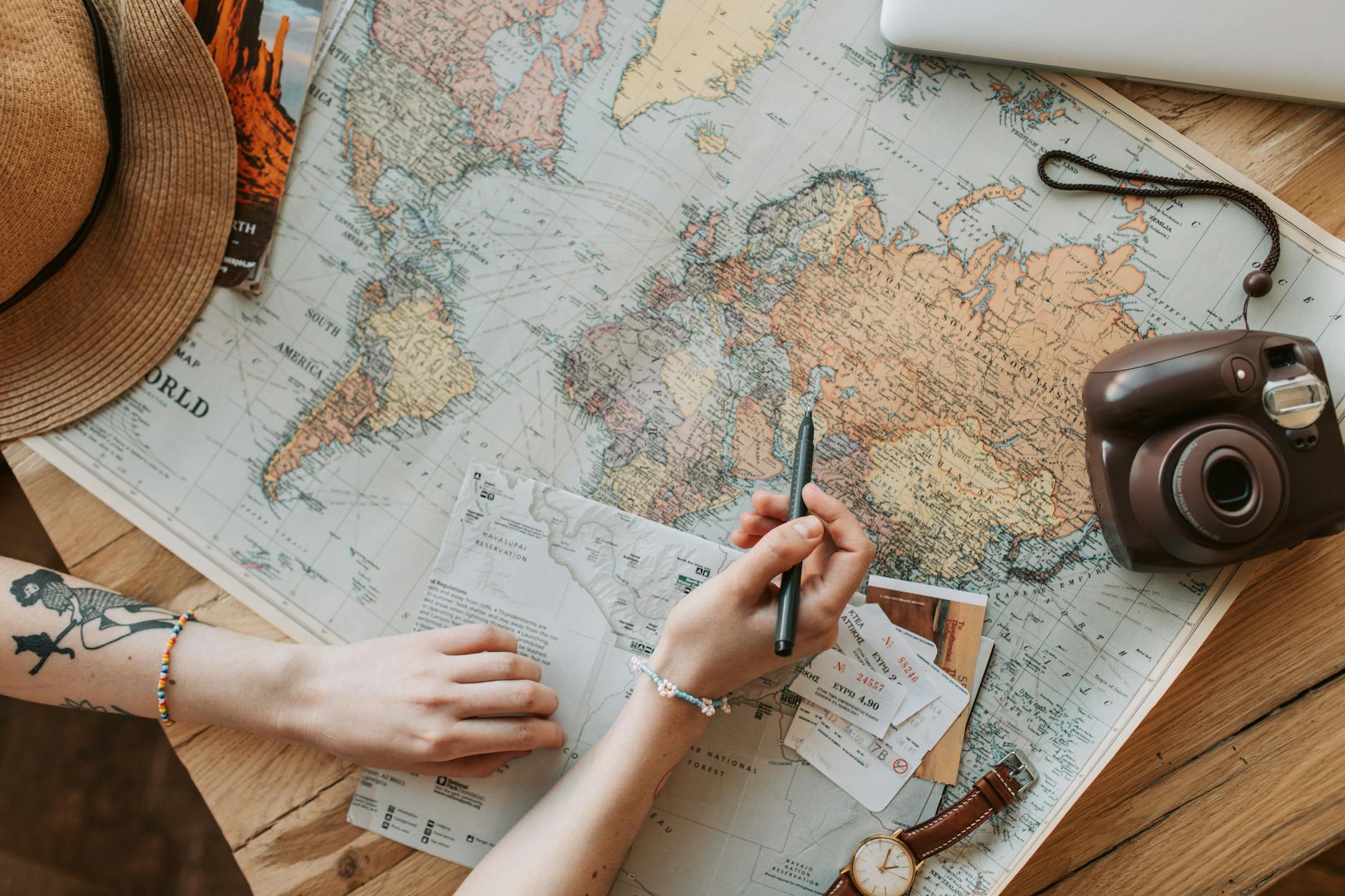
If you’re planning an antique hunting trip this year, your competitive advantage isn’t a bigger budget or a faster car. It’s your antique guide trip planning checklist—the systematic research you complete before you ever book a flight or fill your gas tank. This isn’t about packing lists or comfortable shoes. This is about building a portable knowledge base that turns you from a hopeful tourist into a confident buyer who recognizes value others miss.
Why Most Antique Trips Fail Before They Start
I’ve watched too many collectors return from “dream trips” with overpriced reproductions, misattributed pieces, or nothing at all. The pattern is painfully consistent: they researched where to go but never what to know.
The difference between a $2,000 mistake and a $200 steal often comes down to preparation depth. A 2024 survey of professional pickers found that those who spent 8+ hours pre-trip research per destination day achieved 34% better purchase outcomes than those who winged it. That research gap is your opportunity.
Your pre-trip research arsenal should include three non-negotiable components: period-specific visual references, regional maker marks and signatures, and current market comparables for your target categories. Skip any leg of this tripod, and you’re buying blind.
Building Your Visual Reference Library (The Foundation Layer)
Before you can spot the exceptional, you need to internalize the ordinary. This means curating image collections that train your eye for specific trips.
Start with museum collection databases. The Met, the V&A, and the Smithsonian all offer searchable high-resolution images with provenance details. For a New England trip focused on Federal furniture, spend two evenings browsing their Hepplewhite and Sheraton holdings. Screenshot pieces with maker labels, construction details, and typical condition issues. Organize these into a dedicated album labeled by region and period.
Next, layer in auction house archives. Sotheby’s, Christie’s, and Heritage Auctions maintain searchable sold-lot databases. The magic number here is 18-24 months—prices older than that reflect a different market. Save 15-20 comparable pieces with their realized prices, not just estimates. This becomes your mental price anchor.
Finally, harvest dealer inventory photos from established shops in your target area. These show what’s currently circulating locally, including pieces that haven’t sold (suggesting potential negotiation room). Follow 5-6 regional dealers on Instagram for 2-3 weeks before traveling. Their stories reveal pricing patterns and inventory freshness.
The Maker Mark Memorization System (Your Authentication Shortcut)
Nothing telegraphs “amateur” faster than fumbling with a loupe, squinting at a mark, and shrugging. Professional pickers can identify 40-50 common regional marks from memory. You need at least 15-20 for any focused trip.
Create flashcard sets for your target region’s key makers. For a Pennsylvania trip: 10 furniture makers, 5 pottery or redware operations, 3-4 clockmakers, and 2-3 weathervane or folk art creators. Include mark variations, known reproductions, and typical date ranges.
The critical technique most skip: practice with ambiguous examples. Collect photos of marks that are partially worn, repainted, or suspiciously crisp. The forgers have gotten better; your eye needs to catch the “too perfect” as readily as the “clearly wrong.”
For 2026 trips, pay special attention to emerging reproduction categories. Chinese manufacturers now produce convincing “aged” French provincial furniture, and some Eastern European operations are flooding the market with fake Scandinavian mid-century. Your flashcard set should include 3-5 “known fake” examples alongside authentic marks.
Market Intelligence: Pricing Without Paralysis
Here’s where your research transforms from academic exercise to competitive weapon. You need live pricing data that reflects actual transactions, not aspirational asking prices.
Build a three-tier pricing framework for each target category:
- Retail replacement value: What you’d pay at a reputable dealer (your ceiling)
- Auction realistic: What similar pieces actually sell for at competitive auction (your target)
- Trade/dealer wholesale: What a picker would pay to resell (your floor, and your negotiation benchmark)
Sources for this intelligence: WorthPoint’s sold-price database (subscription, but essential for serious trips), eBay’s sold listings filtered to your region, and live auction results from regional houses. For a June trip to the Hudson Valley, I’d monitor Cottone Auctions, Stair Galleries, and Doyle’s regional sales for 6 weeks prior.
Document everything in a portable reference format. I use a slim notebook with category tabs, each containing: 3-5 benchmark photos with prices, mark examples, and “watch for” condition notes. Phones fail, batteries die, rural antique shops have dead zones. Your paper backup saves deals.
The 72-Hour Pre-Departure Sprint
With your arsenal built, the final phase is operational preparation. This compressed timeline prevents information decay while ensuring freshness.
Day 3 before departure: Review your visual reference albums one final time. Spend 90 minutes in focused image study—this recent exposure primes pattern recognition.
Day 2: Check your target shops and sales against current listings. Confirm hours, special events, and any last-minute inventory changes. Join local Facebook antique groups for 24-hour intel. Post a polite inquiry about “must-see spots for [your specific interest]”—locals love sharing expertise with genuinely prepared visitors.
Day 1: Pack your physical toolkit: loupe, small UV flashlight, magnet (for testing metal content), measuring tape, and your reference notebook. Download offline maps for rural areas. Charge your phone photography setup—you’ll want to document pieces for post-trip research.
Morning of: Skim one fresh auction result or dealer listing in your category. This keeps your pricing calibration current and puts you in analytical mode before you encounter first inventory.
Your Research Arsenal Becomes Your Reputation
The dealers and pickers you encounter on the road have excellent amateur detection. They can spot a prepared buyer in 30 seconds—and they treat them differently. A well-referenced question about a mark variation, a specific comparable sale, or regional construction technique signals you’re worth their time and their best pieces.
More importantly, your research compound. Each trip’s reference material becomes the foundation for the next. My personal archive spans 14 years and 40+ trips, and I still consult notebooks from 2012 when similar pieces surface. The antique guide trip planning checklist isn’t a one-time task; it’s a practice that builds expertise.
The Utah regulations announced in April 2026 will eventually make some of this easier—standardized disclosure requirements, clearer provenance chains, perhaps even digital authentication tools. But regulations lag markets by years. Your preparation puts you ahead today.
Start your research arsenal this week. Pick your fall 2026 destination, identify your three target categories, and spend your first two hours in museum databases. The collectors who thrive in this evolving market won’t be the ones with the most money or the most miles. They’ll be the ones who prepared like professionals before they ever stepped out their door.