
The Complete Antique Pocket Watch Serial Number Lookup Guide: From Estate Sale Find to Verified Treasure
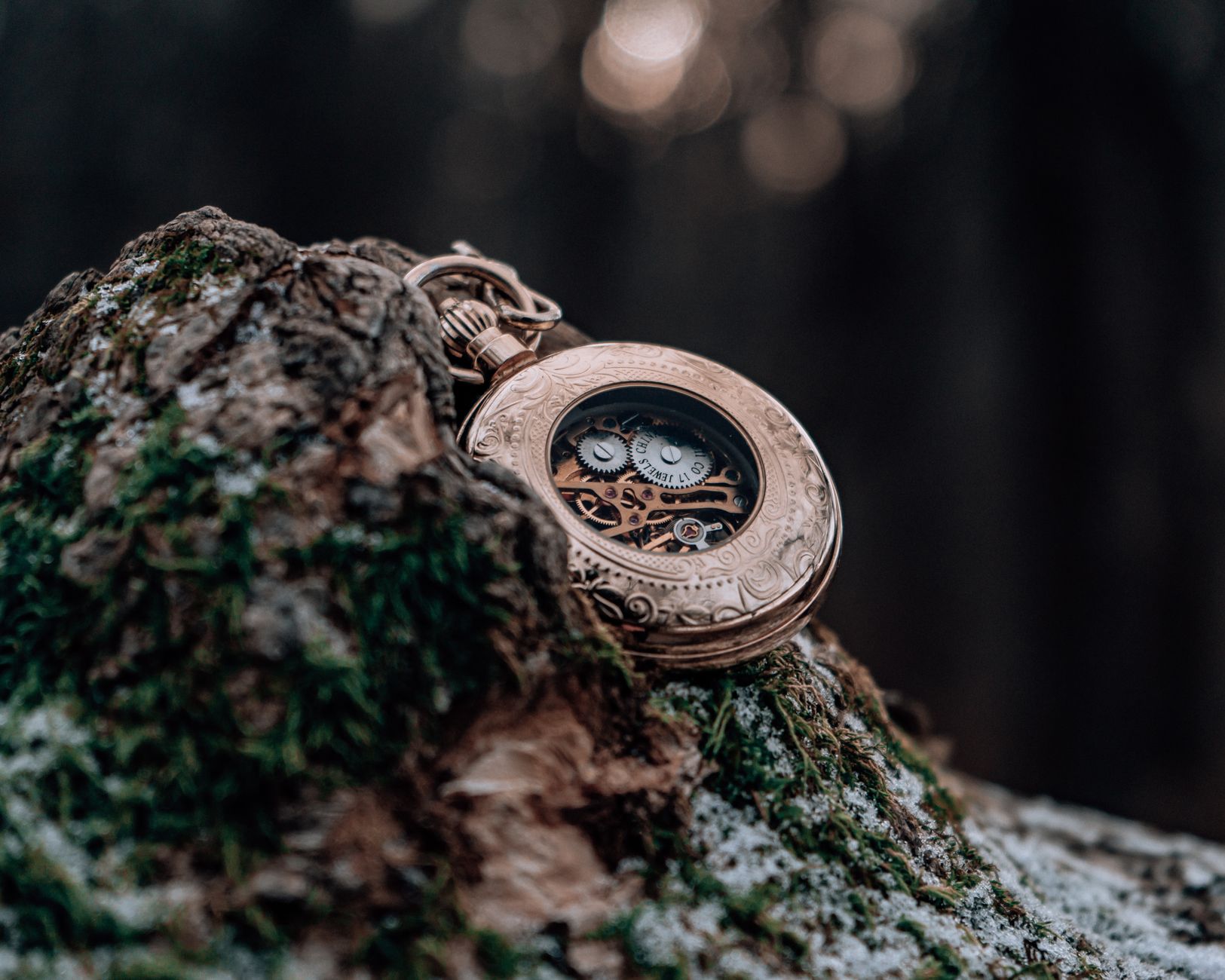
The 2026 estate season is hitting its peak, and something unexpected is happening at sales across the Midwest and Northeast: pocket watches are moving fast again. Not the flashy gold ones—dealers are flipping open casebacks, squinting at tiny serial numbers, and making snap decisions in under 30 seconds. Why the rush? TikTok horology channels have driven demand for authentic, documented American-made pieces through the roof, and the only way to separate a $40 junker from a $400 Elgin railroad grade is knowing how to read that serial number on the spot.
If you’re tired of passing over dusty watch lots or overpaying for mislabeled “rare” pieces, this antique pocket watch serial number lookup guide will change how you hunt. No magnifying glass collection required—just proven methods that work in dim basements and crowded Sunday sales.
Why Serial Numbers Matter More Than the Case
Here’s the truth most beginners miss: the case rarely tells you much. That ornate 14K gold hunting case? Probably made by a specialized case company, not the watch manufacturer. The movement inside—the actual engine—carries the serial number that reveals everything: maker, production year, grade, jewel count, and original configuration.
American manufacturers like Waltham, Elgin, Hamilton, and Hampden stamped serial numbers directly on the movement, not the case. European makers such as Longines and Omega followed similar practices. A common 1920s Elgin in a generic nickel case might outvalue a fancy engraved case housing a mass-produced 1950s movement. The serial number is your only reliable witness.
Pro tip from the field: bring a 10x loupe or use your phone’s macro mode. Estate sale lighting is brutal, and movement serial numbers are often worn, re-stamped, or hidden under balance wheels. Photograph the number before you commit—fumbling with a watch in a competitive sale is a rookie mistake.
Decoding American Makers: The Big Four Databases
For American pocket watches, free online databases have transformed what used to require expensive reference books. Here’s where to look up your finds:
Waltham (1850–1957): The Waltham Database remains the gold standard. Enter your serial number, and you’ll get production year, grade, model, size, and jewel count. Waltham used serial numbers sequentially across all grades, so number 8,000,000 (circa 1897) and 20,000,000 (circa 1916) behave very differently in value.
Elgin (1864–1968): The Elgin Serial Number Database covers over 55 million records. Elgin’s serial numbers are particularly tricky because they restarted numbering systems and used overlapping ranges. A number in the 12,000,000s could be a 1907 grade 291 or a 1919 grade 315—database confirmation prevents costly confusion.
Hamilton (1892–1969): Hamilton’s Pocket Watch Database tracks their more limited production. Hamilton serial numbers typically run 1,000,000 to 5,100,000, with railroad-grade 992B and 950 models commanding premiums. The database reveals original dial and hand configurations too.
Hampden (1877–1930): Smaller production makes Hampden numbers harder to pin down. The NAWCC Hampden Resource fills gaps, though you’ll often need to cross-reference with serial number ranges from specialized horology forums.
Critical warning: Never trust the case serial number. Case makers like Illinois Watch Case Company and Dueber-Hampden had their own numbering entirely separate from movement production. I’ve watched dealers at Ohio estate sales make $200+ mistakes confusing the two.
European and Swiss Movements: Tracing Import Marks
European pocket watches complicate the lookup process. Omega serial numbers can be dated through Omega’s official archive service (€30 per lookup, but definitive). Longines offers similar verification through their Heritage Department.
British watches often carry London or Chester assay hallmarks alongside serial numbers. The hallmark date letter tells you the year of case certification, while the movement serial number tracks manufacturing. For a quick field reference, the Online Encyclopedia of Silver Marks decodes British hallmarks instantly.
Swiss imports to America before 1890 frequently lack serial numbers altogether—replacement parts and “ebauche” movements were common. If you find a blank movement in a Swiss case, assume it’s a generic 1880s–1910s piece worth $25–75 unless decorative elements elevate it.
Red Flags: When Serial Numbers Lie
Even with databases, serial numbers can mislead. Here’s what experienced collectors watch for:
- Re-cased movements: A desirable Waltham Vanguard in a non-original case drops 40–60% in value. Compare the movement size (typically 18s, 16s, or 12s) to the case opening—mismatches indicate marriage.
- Re-stamped or altered numbers: Fakes exist, especially for railroad-grade Hamiltons. Numbers that look freshly engraved, unevenly spaced, or chemically etched are suspect.
- Overlapping production: Elgin’s serial number chaos means some “rare” low numbers are actually common grades from restarted sequences. Always verify grade alongside date.
- Serviced beyond recognition: Heavily polished movements can wear numbers illegible. If you can only make out 4–5 digits, database precision suffers.
At a recent Cincinnati estate sale, I found a “16-size Elgin 1895” labeled at $180. The serial number started with 15,000,000—database check revealed a 1919 grade 306, 7 jewels, not the claimed 17-jewel railroad model. Offered $35, closed at $42. Proper lookup saved $138 and potential resale embarrassment.
Building Your Field Kit: Tools That Actually Help
You don’t need to become a certified watchmaker, but these four items fit in a pocket and transform your success rate:
- 10x triplet loupe ($15–25): Essential for reading worn serial numbers and inspecting jewel settings.
- Phone macro lens attachment ($12–20): Captures serial numbers for database lookup without removing the watch from sale conditions.
- Pocket watch opener ($8–15): The case knife type, not screwdrivers that scratch. Many sellers frown on buyers opening cases—ask permission, work fast.
- Printed quick-reference card with major maker serial number ranges and database URLs. Estate sale basements have terrible cell service.
Time yourself: from opening a case to confirmed database lookup should take under 90 seconds. Any longer, and you’re either overthinking or the piece is too ambiguous for a snap decision.
Conclusion: From Mystery Metal to Documented Asset
The estate sale landscape in 2026 rewards speed and accuracy. Pocket watches are experiencing genuine demand resurgence, but only documented, correctly identified pieces appreciate. Walking in with this antique pocket watch serial number lookup guide gives you an edge most weekend hunters lack.
Start with the free databases for American makers. Practice on your own collection or low-stakes flea market finds before estate season pressure hits. When you can confidently distinguish a 1902 Waltham Crescent Street from a 1950s Elgin de-luxe in 60 seconds, you’ve developed a profitable skill that translates directly to better buys, fairer sales, and a collection worth insuring.
Your next estate sale watch lot isn’t just old metal in a velvet box—it’s a serial number waiting to tell its story. Make sure you’re fluent in the language.