
Vintage Collectible Condition Grading Explained: The 2026 Field Guide for Smart Hunters
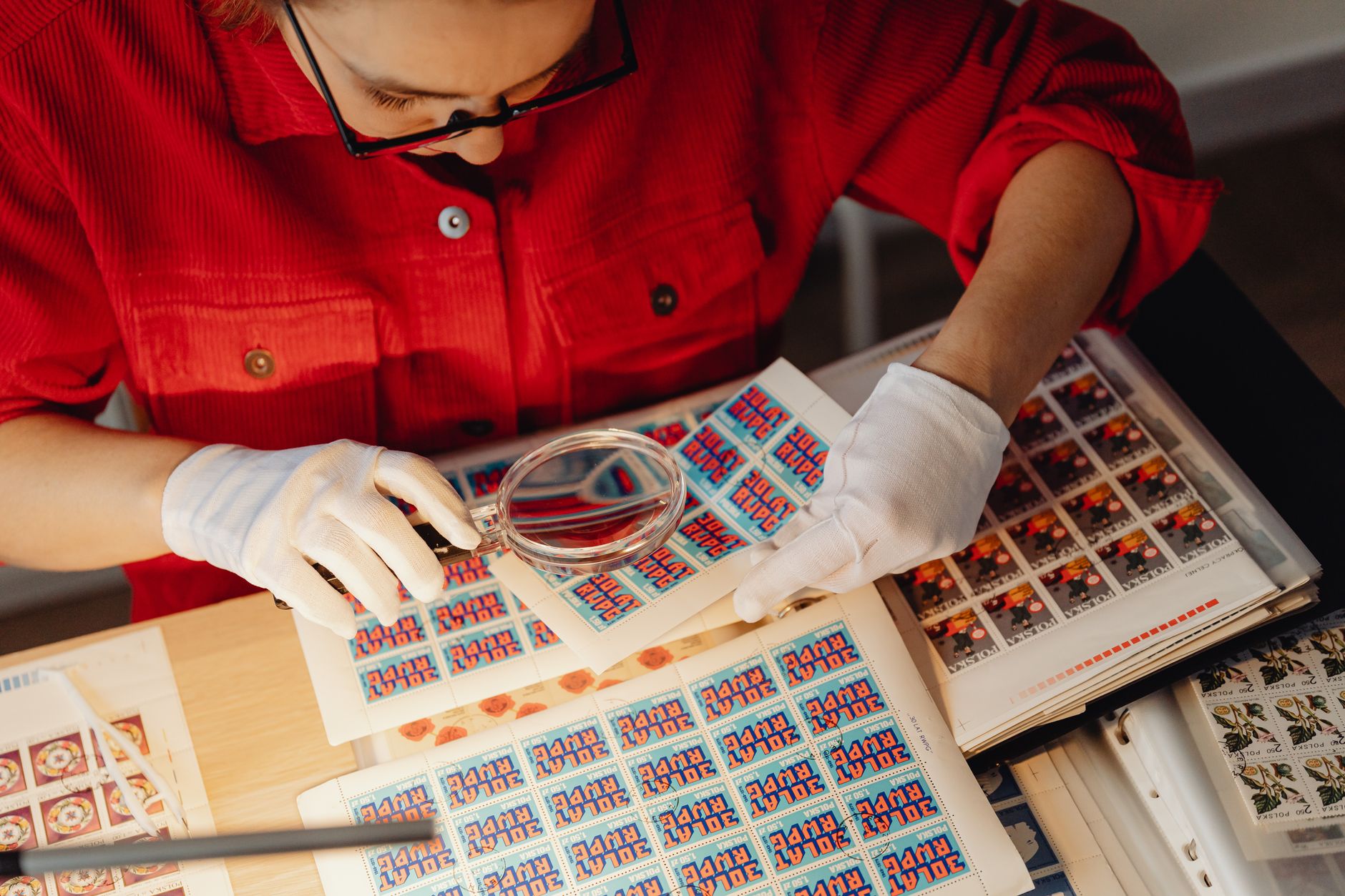
The 2026 antiques circuit is already buzzing with speculation. Dealers and weekend hunters alike are circling mid-century modern, vintage tech, and primitive farmhouse pieces as potential breakout categories for next year. But here’s what separates the hunters who actually profit from those who just accumulate clutter: they know exactly how condition translates to value before they hand over cash. With estate sale season peaking and “Hot Antiques for 2026…Maybe!” dominating every collector forum, there’s never been a more critical time to get vintage collectible condition grading explained properly—not the textbook version, but the street-smart framework you can use in a dusty basement at 7 AM with a flashlight in your mouth.
Why Condition Grading Matters More in 2026
The market has shifted. Buyers are pickier, online returns are costly, and the difference between “Very Good” and “Excellent” can mean 40% in final sale price. I’ve watched identical 1960s Pyrex bowls sell for $22 and $65 on the same platform the same week—the only variable was how accurately each seller described condition.
Three forces are amplifying this right now:
- Zoom-based estate sales: You can’t touch items before bidding, so written condition descriptions carry full weight
- AI-generated listings: Lazy sellers are using generic condition language, creating opportunity for precise graders to stand out
- Rising shipping costs: Buyers factor return risk into bids; transparent grading reduces perceived risk and drives higher prices
If you’re hunting the pieces trending for 2026—think vintage Polaroid cameras, 1970s stoneware, early video game hardware—condition grading isn’t academic. It’s your profit margin.
The Five-Tier System That Actually Works
Most guides drown you in Mint/Near Mint/Excellent/Very Good/Fair/Good/Poor variations with no clear boundaries. Here’s a practical five-tier system I use in the field, developed from fifteen years of buying mistakes and one memorable $340 loss on a “mint” 1950s transistor radio that rattled like a maraca.
Tier 1: Shelf-Ready (Formerly “Mint”)
Original, unopened, or displayed only in controlled environment. No handling wear. Original packaging intact. For pre-1970s items, this is vanishingly rare and commands premium pricing.
2026 example: A sealed 1977 Atari 2600 cartridge in blister pack. If you find one at a Delaware estate sale this fall, expect bidding wars.
Tier 2: Collector-Grade
Light, honest use with zero damage. Original finish 95%+ intact. Minor patina acceptable and often preferred. Functions perfectly. This is the sweet spot for resale—desirable enough for serious collectors, priced accessibly enough for enthusiasts.
Tier 3: Display-Quality
Visible but non-structural wear. Small scratches, slight discoloration, minor edge chipping on ceramics. Still presents well in a cabinet. Functions with minor quirks. Price typically 30-50% below Collector-Grade.
The trap: Sellers often call this “Excellent Condition.” It’s not. Learn to spot the language inflation.
Tier 4: Restoration Candidate
Needs professional intervention or skilled DIY work. Structural issues, significant finish loss, non-functioning mechanisms. Buy only if you have restoration skills or access to specialists, and only if the piece warrants investment.
Tier 5: Parts/Study Piece
Damaged beyond economical restoration, but retains educational or salvage value. Useful for reference, pattern matching, or component harvesting. Price accordingly—usually under 10% of Collector-Grade value.
Category-Specific Grading: Where General Rules Fail
Here’s where vintage collectible condition grading explained gets genuinely useful. Different categories hide different deal-breakers.
Ceramics and Glass: Check for crazing (fine surface cracks in glaze), which many sellers miss. On 2026-trending stoneware like Heath or Bauer, crazing can reduce value 60% even if the piece looks pristine from three feet.
Paper and Ephemera: Light foxing (brown spots) is acceptable in Display-Quality for pre-1950s items. For 1980s concert posters or vintage video game manuals, it’s a downgrade to Tier 4—buyers expect near-perfect preservation from that era.
Mechanical and Electronic: Always test before buying when possible. A “working” 1970s turntable that spins at wrong speed is Tier 3 at best. Bring batteries, a small speaker, or know how to test basic circuits.
Textiles: Storage damage trumps use damage. A 1960s dress with underarm discoloration can be restored. One with moth holes in storage folds? Tier 5. Smell test immediately—musty textiles rarely recover fully.
The Language of Deception: Reading Between Listing Lines
Estate sale companies and individual sellers develop euphemisms. Here’s my translation guide from recent 2026 hunting:
| Says | Usually Means |
|---|---|
| “Vintage charm” | Significant wear |
| “Character” | Damage seller considers minor |
| “As found” | Seller didn’t inspect closely |
| “Priced accordingly” | They know there’s an issue |
| “Collector’s piece” | May be damaged but rare |
| “Untested” | Probably doesn’t work, seller knows |
When you see “vintage collectible condition grading explained” in a listing description itself, ironically, be skeptical. Genuine graders show, don’t tell. They photograph flaws at angles that catch light. They measure scratches in millimeters. They disclose that the 1968 Beatles White Album has a split spine and include the photo proving it.
Building Your Grading Toolkit
You don’t need expensive equipment. For under $40, assemble:
- LED headlamp (hands-free, reveals surface damage invisible in ambient light)
- 10x jeweler’s loupe for craze lines, print quality, repair detection
- Blacklight flashlight for detecting modern repairs and fluorescent tag residues
- Digital caliper for measuring chips, cracks, and dimensional accuracy
- Phone macro lens ($12 clip-on) for documentation that protects disputes
Practice on known pieces before hunting. Grade your own collection, then check against sold listings to calibrate your standards against market reality.
Conclusion: Grading as Competitive Advantage
With vintage collectible condition grading explained through a practical lens—not theoretical perfection but field-tested accuracy—you gain something invaluable in the 2026 market: trust velocity. Sellers remember buyers who don’t nitpick unfairly. Platforms boost sellers with low return rates. Fellow hunters share leads with people who know what they’re seeing.
The primitive style comeback, the vintage tech surge, the speculative energy around 2026’s potential hot categories—all of it rewards the prepared. Condition grading is your preparation. Master it, and you’re not just hunting treasures. You’re pricing them correctly, moving them efficiently, and building a reputation that outlasts any single trend cycle.
Happy hunting, and may your flashlights always have fresh batteries.